
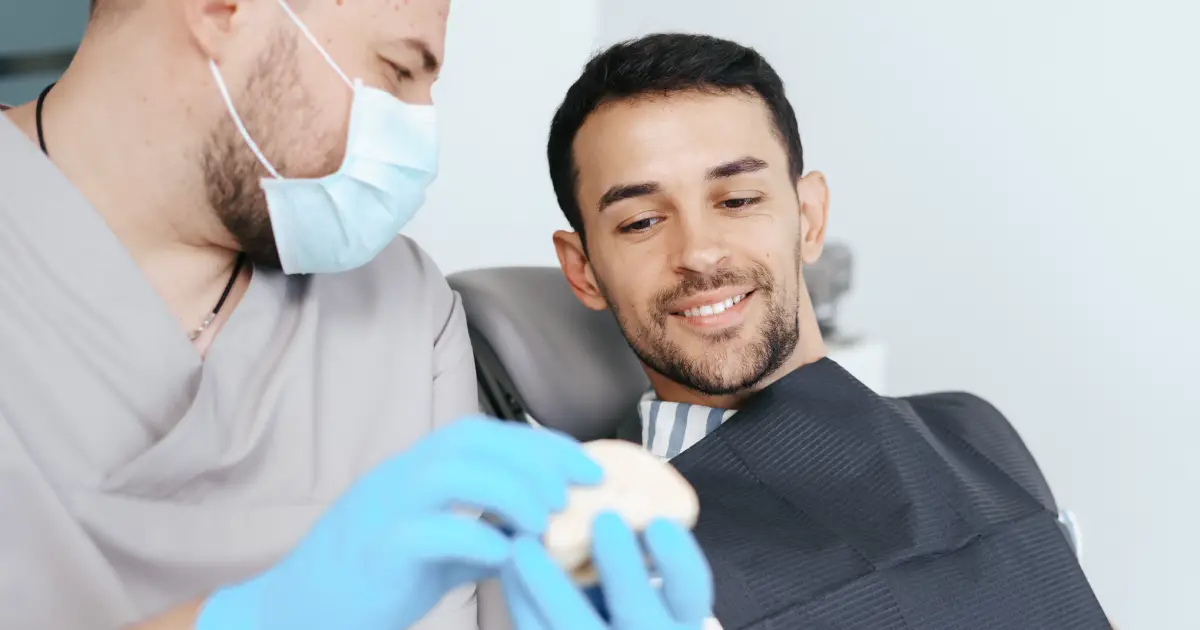
By Dr. Harlovjeet Singh, DDS — SpringLake Dental, Woodland, CA
If your dentist has told you that you need a dental crown, you probably have questions. What exactly is a crown? Does it hurt? How long does it take? And what is it going to cost?
These are the questions we hear most often from patients at SpringLake Dental here in Woodland, CA 95776, and they deserve clear answers. This post walks you through everything — what crowns are, when they are actually necessary, what the procedure involves, how long they last, and what you can expect to pay. No filler, no fluff.
What Is a Dental Crown?
A dental crown is a tooth-shaped cap that fits over a damaged or weakened tooth, covering it completely from the gumline up. Once cemented in place, it restores the tooth’s shape, size, strength, and appearance.
Think of it like a helmet for a tooth that has been through too much — a large cavity, a crack, a failed filling, or significant wear. The crown protects what is left of the natural tooth structure and allows it to function normally again.
Crowns are made from several different materials. Porcelain or ceramic crowns are the most common choice for visible teeth because they match the natural color and look of your surrounding teeth. Porcelain-fused-to-metal crowns offer a combination of strength and aesthetics. All-metal crowns — typically gold or other alloys — are extremely durable and sometimes used for back molars where appearance is less of a concern.
At SpringLake Dental, Dr. Singh discusses material options with you based on which tooth is being crowned, your bite, and your aesthetic goals.
When Do You Actually Need a Crown?
Not every damaged tooth needs a crown — and a good dentist will not recommend one unless it is genuinely the right solution. Here are the situations where a crown is typically the appropriate treatment.
Large cavity that cannot support a filling. When decay has destroyed too much of the tooth structure, a filling does not have enough healthy tooth to bond to. A crown covers and stabilizes what remains.
Cracked or fractured tooth. A crack that runs deep into a tooth is serious. Every time you bite down, the crack flexes and can extend further — eventually reaching the root or nerve. A crown holds the tooth together and stops the crack from spreading. This is one situation where waiting makes things significantly worse.
After a root canal. A tooth that has had a root canal loses moisture over time and becomes brittle. Back teeth especially are at high risk of cracking under chewing forces without the protection of a crown. Most root canal-treated molars and premolars need a crown to survive long term.
Severely worn teeth. Patients who grind their teeth — a condition called bruxism — can wear their teeth down to the point where crowns are needed to restore proper height and function. If you have been dealing with teeth grinding in Woodland CA, this is a conversation worth having sooner rather than later.
Broken tooth with significant structure loss. When a large piece of a tooth breaks off — whether from an accident, biting something hard, or old decay — a filling cannot rebuild it reliably. A crown is the stable, long-term solution.
Cosmetic reasons. In some cases, crowns are used to improve the appearance of severely discolored, misshapen, or poorly formed teeth where other cosmetic options are not practical.
The Dental Crown Procedure — Step by Step
Many patients are anxious about getting a crown because they do not know what to expect. Here is exactly what happens.
First Appointment — Preparation
The first visit is the longer one. Dr. Singh will numb the tooth and surrounding area so you feel pressure but not pain. The tooth is then shaped — a small amount of enamel is removed from the outer surface to make room for the crown to fit over it without sitting too high in your bite.
An impression or digital scan is taken of the prepared tooth and the surrounding teeth. This is sent to a dental lab where your permanent crown is custom-fabricated. Depending on the material, this typically takes one to two weeks.
Before you leave, a temporary crown is placed over the prepared tooth to protect it while you wait. Temporary crowns are functional but not permanent — avoid hard, sticky, or chewy foods on that side.
Second Appointment — Crown Placement
When your permanent crown comes back from the lab, you come in for a second visit. The temporary crown is removed, the tooth is cleaned, and Dr. Singh checks the fit, shape, and color of the permanent crown carefully before cementing it.
Minor adjustments are made if needed until the fit and bite are exactly right. Then the crown is permanently cemented. The whole second appointment usually takes under an hour.
What About Same-Day Crowns?
Some dental offices offer same-day crowns using in-office milling technology. At SpringLake Dental, we work with a high-quality dental lab to fabricate your crown — this two-visit process allows for better material options and a higher level of precision in the final result. We will discuss the timeline with you at your consultation.
How Long Do Dental Crowns Last?
With good oral hygiene and regular dental visits, a well-placed dental crown typically lasts 10 to 15 years — and many last 20 years or more. The lifespan depends on several factors.
The material. All-ceramic crowns look excellent but can be more prone to chipping under heavy bite forces. Metal-reinforced crowns tend to be more durable. Dr. Singh will recommend the right material for your situation.
Your bite habits. Patients who grind their teeth at night put significantly more wear on crowns. A custom night guard can extend the life of your crown considerably.
Oral hygiene. The crown itself cannot decay, but the tooth underneath it still can — particularly at the margin where the crown meets the gumline. Brushing, flossing, and keeping up with regular dental check-ups protects both the crown and the underlying tooth.
Avoiding hard foods. Chewing ice, hard candy, or using your teeth as tools puts excessive stress on any restoration.
How Much Do Dental Crowns Cost in Woodland, CA 95776?
In the Woodland and greater Sacramento area, a single dental crown typically costs between $1,000 and $1,800 depending on the material, the tooth location, and what your insurance covers.
Porcelain and ceramic crowns tend to cost more than metal crowns. A crown on a molar that needs extra strength may involve a different material choice than a front tooth crown where appearance is the priority.
Does insurance cover dental crowns? Most dental insurance plans classify crowns as a major restorative procedure and cover 50 percent of the cost after your deductible, up to your annual maximum. Plans accepted at SpringLake Dental include Delta Dental, Cigna, Aetna, Guardian, GEHA, Ameritas, and United Health Care. Our team verifies your coverage before treatment so you know your out-of-pocket cost upfront.
If a crown is needed following a root canal, the two procedures are sometimes reviewed together by insurance — we handle the coordination so you do not have to figure that out on your own.
Crowns vs. Other Options — When Is a Crown the Right Call?
Patients sometimes ask whether a filling or bonding could work instead of a crown. Here is the honest answer.
For small to moderate cavities in an otherwise healthy tooth, a filling is absolutely the right choice — faster, less expensive, and preserves more natural tooth structure. We do not recommend crowns when a filling will do the job.
For a tooth that has already had a large filling, has a crack, has had a root canal, or has lost significant structure — a crown is the right call. Trying to patch those situations with a filling is a short-term fix that often leads to a bigger problem down the line, including potential tooth loss that then requires a dental implant or bridge.
The goal is always to give you the most conservative treatment that will actually hold. Dr. Singh will be direct with you about which category your tooth falls into.
What About Dental Bridges?
A dental crown is also the foundational component of a dental crown and bridge — which is how a missing tooth is replaced without implants. In a bridge, the two teeth on either side of the gap receive crowns, and a false tooth (called a pontic) is suspended between them. The whole structure is cemented in place as one unit.
If you are dealing with both a tooth that needs a crown and a missing tooth nearby, a bridge may be an efficient solution that addresses both at once. We will assess your specific situation and walk through the options.
Caring for Your Crown After the Procedure
Once your crown is placed, caring for it is straightforward.
Brush twice a day with a soft-bristled toothbrush. Floss daily — slide the floss down carefully at the base of the crown rather than snapping it through, which can loosen the cement over time. Avoid chewing hard objects directly on the crown. If you grind at night, wear your night guard consistently.
Come in for your regular check-ups. We check the margins and integrity of existing crowns at every cleaning visit and catch any early issues before they become bigger problems.
If you notice sensitivity, pain when biting, or any movement of the crown, call us. These are signs something needs attention and they are much easier to fix early.
Serving Patients Near Woodland, Davis & West Sacramento
SpringLake Dental is located at 1837 East Gibson Road Suite #D, Woodland, CA 95776 — easily accessible for patients coming from Davis, West Sacramento, Winters, Dixon, Vacaville, and surrounding Yolo County communities. We speak English, Spanish, Hindi, and Punjabi, and welcome patients from all backgrounds.
If you have been told you need a crown, have a cracked or painful tooth, or simply want to know whether a crown is the right option for you, call us or book online. Same-week appointments are available for new patients.
Schedule Your Crown Consultation at SpringLake Dental
Frequently Asked Questions — Dental Crowns in Woodland, CA
How do I know if I need a dental crown or just a filling?
The key factors are how much tooth structure remains and whether there is a crack involved. Small to moderate cavities in healthy teeth are typically handled with fillings. Teeth with large existing fillings, cracks, root canal treatment, or significant decay usually need a crown for long-term stability. Dr. Singh will show you exactly what is happening with your tooth and explain which option is appropriate and why.
Does getting a dental crown hurt?
The preparation appointment is done under local anesthesia — you will feel pressure and movement but not pain. Some patients experience mild sensitivity on the prepared tooth between appointments while wearing the temporary crown. Once the permanent crown is placed and your bite is properly adjusted, discomfort resolves quickly for most patients.
Can a crowned tooth still get a cavity?
The crown material itself cannot decay, but the natural tooth structure underneath it can — especially at the gumline where the crown meets the tooth. This is why daily brushing and flossing at the crown margins matters, along with regular professional cleanings.
What happens if I do not get a crown when I need one?
The tooth continues to weaken. A cracked tooth will crack further — often to the point where it cannot be saved and needs extraction. A root canal-treated tooth without a crown is at high risk of fracturing. Waiting typically turns a straightforward crown procedure into a more complex and expensive situation.
How many appointments does a crown take?
Typically two appointments at SpringLake Dental — one for preparation and a temporary crown, one for placement of the permanent crown. We will give you a clear timeline at your first visit.
Is a dental crown covered by insurance?
Most dental insurance plans cover crowns as a major restorative procedure, typically at 50 percent after your deductible. Coverage limits and waiting periods vary by plan. Our team checks your specific benefits before your treatment begins so there are no surprises.
SpringLake Dental — 1837 East Gibson Road Suite #D, Woodland, CA 95776 Serving Woodland, Davis, West Sacramento, Winters, Dixon, Vacaville, and Yolo County
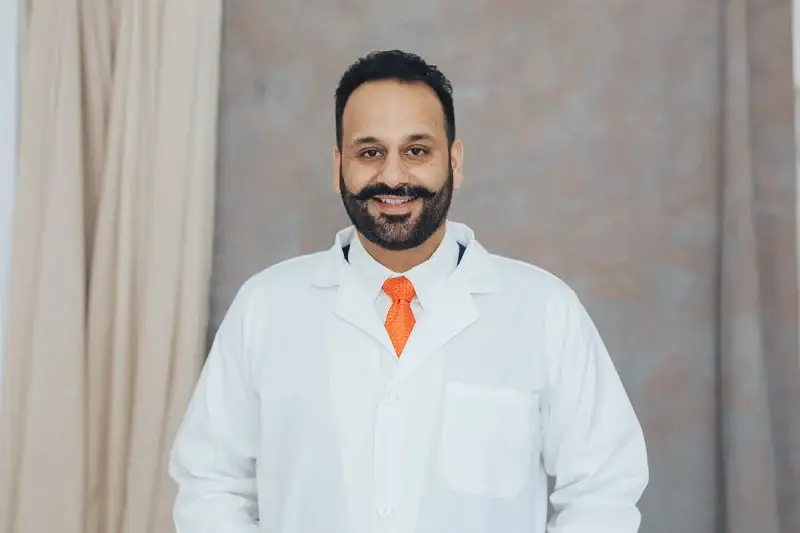
Dr. Harlovjeet Singh, DDS
GENERAL & EMERGENCY DENTIST — SPRINGLAKE DENTAL
Dr. Singh is an NYU College of Dentistry alumnus with specialized certifications in dental implants and sedation dentistry. He founded Spring Lake Dental with the goal of providing comfortable, unhurried dental care to families throughout Woodland and Yolo County.
Dental Emergency in Woodland, CA?
Call SpringLake Dental now. Same-week appointments available for emergency patients in Woodland, Davis, and Sacramento.
Mon–Thu 8:00 AM – 5:00 PM · Fri 9:00 AM – 2:00 PM
