
By Dr. Harlovjeet Singh, DDS SpringLake Dental — Woodland, CA March 2026 – 7 min read
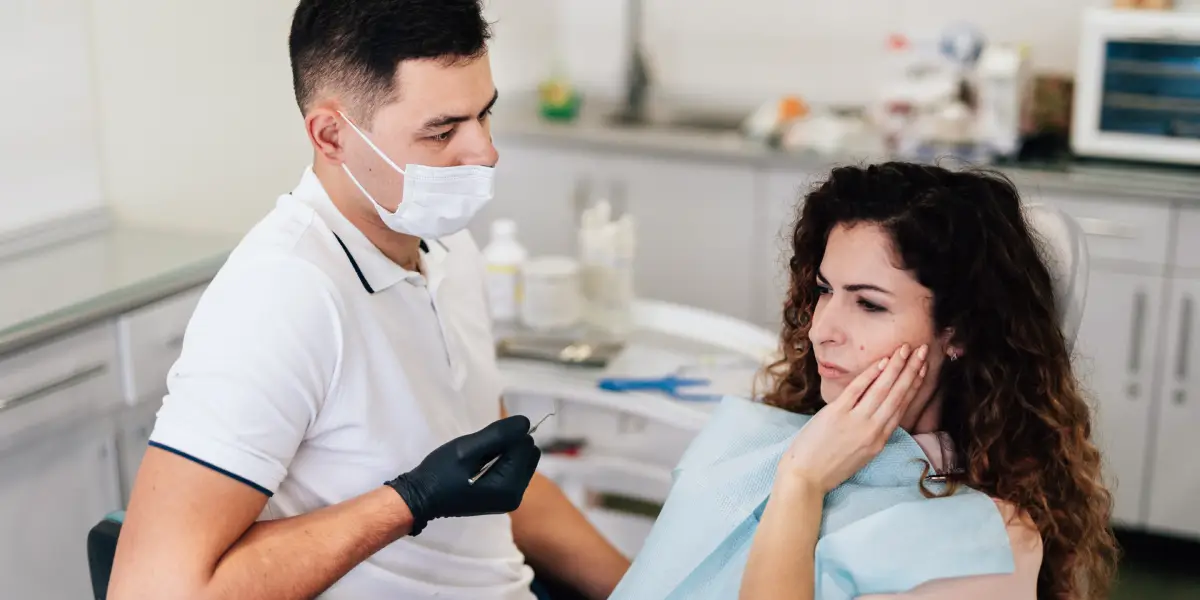
A dental emergency does not always announce itself. One moment you are eating dinner, the next you are dealing with a broken tooth and no idea what to do first. For residents of Woodland, Davis, and the surrounding Sacramento area, knowing how to respond in those first critical minutes can mean the difference between saving a tooth and losing it permanently.
This guide walks you through the most common dental emergencies, what to do before you reach the dentist, and how SpringLake Dental is here to help.
What Counts as a Dental Emergency?
Many people are unsure whether their situation is serious enough to call a dentist right away. The general rule is this: if you are in significant pain, there is uncontrolled bleeding, a tooth has been knocked out or broken, or you notice swelling around your jaw or neck, you should contact a dentist the same day.
The following situations are considered dental emergencies:
- Severe or throbbing toothache that does not respond to over-the-counter pain relief
- A tooth that has been completely knocked out
- A cracked, broken, or chipped tooth causing pain
- A dental abscess or swelling around a tooth or the jaw
- Bleeding from the mouth that will not stop
- A lost crown or filling leaving a tooth exposed and painful
- An injury to the soft tissue of the mouth — lips, gums, tongue, or cheeks
Some situations, like a chipped tooth with no pain, can wait for a routine appointment. When in doubt, call our office at (530) 406-1730 and describe your symptoms. We will help you determine how urgently you need to be seen.
If you have difficulty breathing or swallowing, or swelling that is rapidly spreading into your neck or throat, go to the nearest emergency room or call 911 immediately. These are signs of a potentially life-threatening infection.
What to Do for Each Type of Dental Emergency
Different emergencies call for different first-response actions. Here is what to do for the most common situations while you make your way to SpringLake Dental.
Knocked-Out Tooth
This is one of the most time-sensitive dental emergencies. The sooner you act, the better your chances of saving the tooth.
1. Pick up the tooth by the crown
Never touch the root. The delicate cells on the root surface are essential for reattachment.2.
2. Rinse gently with water
Do not scrub, use soap, or wrap the tooth in tissue. A quick rinse is all that is needed.
3. Keep it moist
Place the tooth back in the socket if possible. If not, store it in cold milk or between your cheek and gum to keep it viable.
4. Call us immediately
The window for saving a knocked-out tooth is roughly 30 to 60 minutes. Every minute counts.

Severe Toothache
A sudden, intense toothache — especially one that wakes you up at night or throbs without relief — is often a sign of an infection or abscess that requires professional treatment. Do not try to wait it out.
In the meantime, take ibuprofen as directed on the packaging. Apply a cold compress to the outside of your cheek in 20-minute intervals to reduce swelling. Do not place aspirin or any painkiller directly on the gum tissue, as this can cause chemical burns.
Call our office to schedule the earliest available appointment. If you also have a fever, swollen lymph nodes, or difficulty opening your mouth, this is an urgent situation.
Cracked or Broken Tooth
Rinse your mouth with warm water. If there is bleeding, apply gentle pressure with clean gauze. Apply a cold compress to the outside of your cheek to manage swelling. Save any broken pieces if you can and bring them to your appointment.
Avoid chewing on the side of the broken tooth and steer clear of very hot or cold foods and drinks until you are seen.
Dental Abscess
An abscess is a pocket of infection at the root of a tooth or in the gum tissue. Signs include a persistent dull or throbbing ache, visible swelling, a bad taste in your mouth, fever, or a small pimple-like bump on the gum near the affected tooth.
Do not attempt to drain it yourself. Rinse with warm salt water to help draw out some of the infection and reduce discomfort, then call us right away. Dental abscesses can spread to the jaw, neck, and beyond if left untreated.
Lost Crown or Filling
Losing a crown or filling is not always an emergency, but it can become one quickly if the exposed tooth is causing pain or sensitivity. Over-the-counter dental cement — available at most pharmacies — can be used as a temporary cover until you see us. Do not use household glue. Call us to schedule a repair at the earliest available time.
Bleeding That Won’t Stop
If you have bleeding from the mouth following trauma or a recent dental procedure, fold a clean piece of gauze and press firmly over the area without releasing for 15 to 20 minutes. If the bleeding does not slow down after two attempts, go to an emergency room while contacting our office.
Emergency vs. Non-Emergency: How to Tell the Difference
Not every dental issue needs same-week care. Here is a simple reference to help you decide how quickly to act.
| Situation | Urgency | What to Do |
|---|---|---|
| Knocked-out tooth | Immediate — within 60 minutes | Call us now and come in right away |
| Dental abscess with swelling | Same day | Call us — do not wait overnight |
| Severe, unrelenting toothache | Same day or next day | Call for earliest available appointment |
| Broken tooth with pain or bleeding | Same day or next day | Call us and avoid chewing on that side |
| Lost crown or filling — no pain | Within a few days | Use temp cement and schedule soon |
| Chipped tooth — no pain, no sharp edge | Routine appointment | Schedule at your next available time |
| Mild tooth sensitivity | Routine appointment | Mention it at your next cleaning |
What Happens at an Emergency Dental Visit in Woodland?
If you have never had a dental emergency before, you might not know what to expect when you walk in. Here is what a typical emergency visit at SpringLake Dental looks like.
When you call, our front desk team will ask about your symptoms so we can have the right equipment and materials ready when you arrive. Once you are in the chair, Dr. Singh will conduct a focused exam of the affected area, take any necessary X-rays, and explain what he is seeing in plain language before discussing your treatment options.
For patients who are in significant pain or who feel anxious about emergency dental work, Dr. Singh offers IV sedation — so the procedure can be completed comfortably even if you are distressed. This is one of the features that sets SpringLake Dental apart from many other general dental offices in the Woodland area.
In most cases, we can complete or begin treatment during the same visit — whether that means a root canal, extraction, temporary crown, or antibiotic prescription.
SpringLake Dental accepts most major insurance plans including Delta Dental, Cigna, Aetna, Guardian, GEHA, Ameritas, and United Health Care. For patients without insurance, CareCredit financing is available. Our team will always discuss costs with you before beginning any treatment.
Can You Prevent Dental Emergencies?
Not all dental emergencies are preventable, but many of the most common ones are. Here are practical steps Woodland residents can take to reduce their risk.
Keep up with routine cleanings and exams. Many emergencies — particularly abscesses and severely broken teeth — develop from untreated decay or infections that were caught too late. Regular checkups at SpringLake Dental allow Dr. Singh to identify and treat small problems before they become urgent ones.
Wear a mouthguard during contact sports. Knocked-out and broken teeth are disproportionately common among athletes of all ages. A custom-fitted mouthguard provides far more protection than an over-the-counter option.
Do not use your teeth as tools. Opening packaging, cracking shells, or biting fingernails puts significant stress on tooth enamel and is a common cause of chips and fractures.
Address dental anxiety early. Many patients avoid routine care because of fear, which means small problems compound into emergencies. If anxiety has been keeping you out of the dental chair, ask about our sedation dentistry options. We offer nitrous oxide, oral sedation, and IV sedation to make every visit manageable.
Why Woodland Residents Choose SpringLake Dental for Emergency Care
When a dental emergency happens, the last thing you want is to be told the next available appointment is two weeks away. At SpringLake Dental, we reserve time in our schedule for emergency patients and work to see urgent cases as quickly as possible.
Dr. Harlovjeet Singh has extensive experience treating the full spectrum of dental emergencies — from knocked-out teeth and abscesses to complex cases requiring dental implants after tooth loss. Our multilingual team speaks English, Spanish, Hindi, and Punjabi, so there is no communication barrier when you need help most.
We are located at 1837 East Gibson Road Suite #D in Woodland — easy to reach from Davis, West Sacramento, and throughout Yolo County.
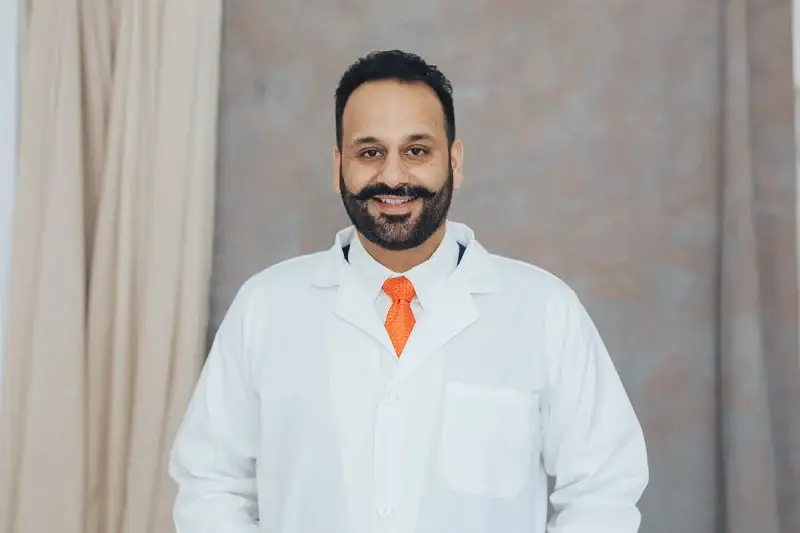
Dr. Harlovjeet Singh, DDS
GENERAL & EMERGENCY DENTIST — SPRINGLAKE DENTAL
Dr. Singh is an NYU College of Dentistry alumnus with specialized certifications in dental implants and sedation dentistry. He founded Spring Lake Dental with the goal of providing comfortable, unhurried dental care to families throughout Woodland and Yolo County.
Dental Emergency in Woodland, CA?
Call SpringLake Dental now. Same-week appointments available for emergency patients in Woodland, Davis, and Sacramento.
Mon–Thu 8:00 AM – 5:00 PM · Fri 9:00 AM – 2:00 PM
