
When a tooth is weak, cracked, or has a large filling, a dental crown can protect it and restore your bite. If you’re in Woodland, CA and wondering, “Do I really need a crown—or will a filling do?” this quick guide explains the signs, options, and what to expect at SpringLake Dental.
What is a dental crown?
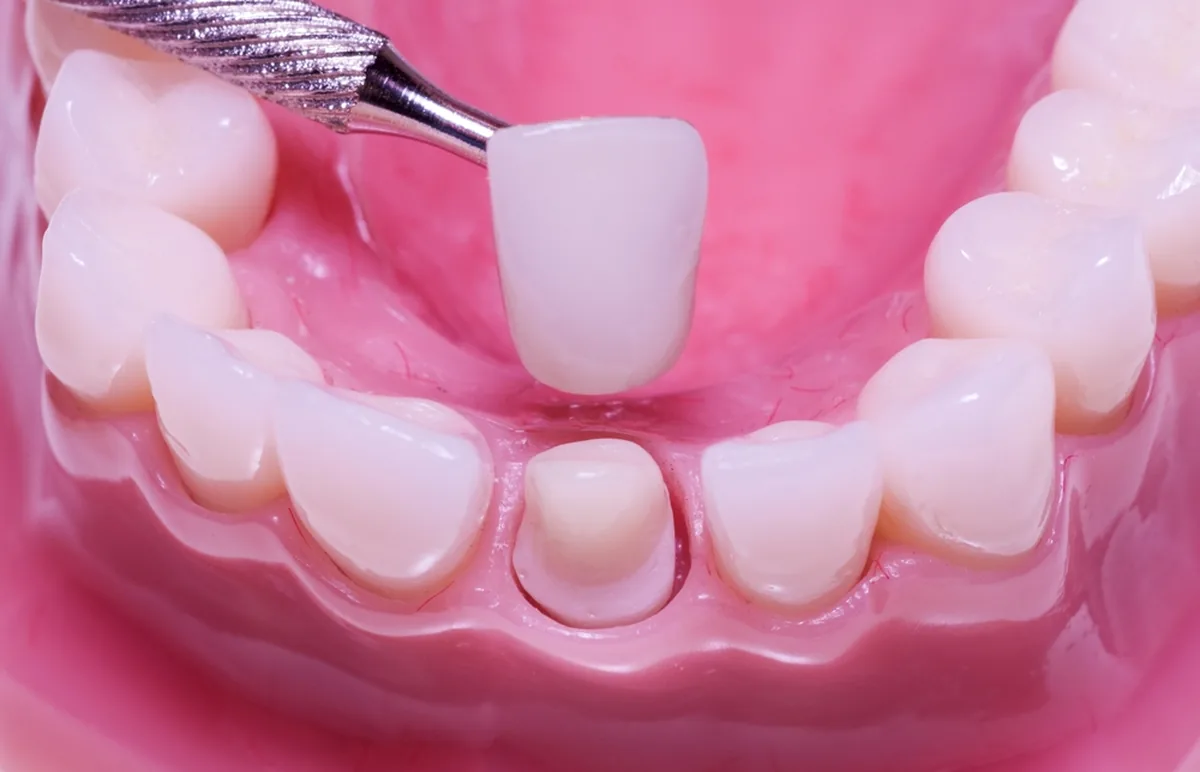
A crown is a custom “cap” that covers the entire visible part of a tooth. It restores strength, shape, and appearance and helps prevent further cracking or decay. Crowns are made from materials like porcelain/ceramic, zirconia, or porcelain fused to metal. We’ll help you choose based on location, bite forces, cosmetics, and budget.
7 common signs you may need a crown
- Large or failing filling – When more than ~50% of the tooth is filling, a crown is usually safer than another filling.
- Cracked or fractured tooth – Crowns hold the tooth together to reduce pain on chewing and prevent split fractures.
- After root canal therapy – Back teeth almost always need a crown to avoid breakage.
- Severe wear or erosion – Grinding, acid reflux, or clenching can flatten teeth; crowns rebuild height and function.
- Broken cusp – A chunk of tooth came off (often from chewing something hard).
- Cosmetic shape/color issues – When veneers or bonding aren’t enough, a crown can create ideal shape and shade.
- Dental implant restoration – The visible part on an implant is a crown custom-matched to your smile.
Not every tooth needs a crown. Small to moderate cavities are usually treated with fillings or inlays/onlays. We’ll recommend the least invasive option that still protects the tooth long term.
Crown options at a glance
- All-ceramic/porcelain: Great color match for front teeth; modern ceramics are strong for many back teeth.
- Zirconia: Very strong; good for molars and patients who grind. Newer zirconia can look very natural.
- Porcelain-fused-to-metal (PFM): Durable classic option; may show a thin dark line at the gum over time.
- Gold alloy: Extremely durable and gentle on opposing teeth; best for out-of-sight molars if you don’t mind the color.
The crown process (step by step)
Visit 1 – Diagnosis & prep
- Exam + digital X-rays to confirm cracks/decay.
- Numbing, conservative shaping of the tooth.
- Digital scan or impression to design your crown.
- Shade match for natural color.
- A temporary crown protects the tooth while the lab makes the final crown (usually 1–2 weeks).
Visit 2 – Delivery
- Try-in to check fit, contact, and bite.
- Shade confirmation and polish.
- Final cementation and care tips.
(Ask us whether same-day crowns are available for your case.)
Cost & insurance tips
Crown fees vary by material and tooth location. Many PPO plans cover a portion (often 40–80% of the allowed amount) after deductible and frequency limits. If insurance is limited or you’re uninsured, ask about phased treatment and payment options.
How long do crowns last?
With good care, crowns often last 10–15+ years. Longevity improves with:
- Daily brushing + flossing, especially at the gumline
- A nightguard if you grind or clench
- Regular cleanings and exams (every 6 months)
Crown fell off? Temporary tips
- Don’t chew on that side.
- If the crown is intact and clean, you can place it back temporarily with drugstore dental cement (not super glue).
- Call us promptly—we’ll recement or discuss replacement if the tooth or crown is damaged.
Alternatives to crowns
- Filling or onlay/inlay: For smaller defects when enough strong tooth remains.
- Veneer: For front-tooth cosmetic changes without full coverage (requires healthy tooth structure).
- Extraction + implant/bridge: If the tooth is fractured below the gum or unrestorable.
When to schedule an exam
- You feel sharp pain on chewing or see a visible crack.
- You’ve been told you have a large filling that keeps breaking.
- You had a root canal on a back tooth.
- A crown feels loose or keeps popping off.
Quick FAQ
Is getting a crown painful?
You’ll be numb during the procedure. Mild soreness after is common and usually improves within a couple of days.
Will a crown look natural?
Yes. We match shape and shade to blend with your smile. Modern porcelain and zirconia look very lifelike.
Can a crowned tooth still get a cavity?
The tooth under the crown can decay at the margin if plaque sits there—keep brushing, flossing, and visiting for cleanings.
How do I choose the best crown material?
Front teeth prioritize cosmetics; molars prioritize strength. We’ll recommend the material that balances both for your case.
